



|
Januar
|
| 26. 1. Svjetski dan obrazovanja o zaštiti životne sredine |
|
Februar
|
| 2. 2. Svjetski dan zaštite močvarnih područja |
| 14. 2. Svjetski dan očuvanja energije |
| 22. 2. Svjetski dan ekologije |
|
Mart
|
| 5. 3. Svjetski dan energetske efikasnost |
| 21. 3. Svjetski dan šuma |
| 23. 3. Svjetski dan meteorologije |
|
April
|
| 7. 4. Svjetski dan zdravlja |
| 24. 4. Svjetski dan zaštite laboratorijskih životinja |
| 22. 4. Dan planete Zemlje |
|
Maj
|
| 3. 5. Dan Sunca |
| 9. 5. Međunarodni dan ptica |
| 15. 5. Internacionalni dan akcije za klimu |
| 22. 5. Svjetski dan zaštite biodiverziteta |
| 24. 5. Evropski dan parkova |
|
Juni
|
| 5. 6. Dan zaštite okoliša |
| 8. 6. Svjetski dan okeana |
|
Juli
|
| 11. 7. Svjetski dan populacije |
| 16. 7. Dan stabla |
| 28. 7. Dan zaštite prirode |
|
Avgust
|
| 6. 8. Antinuklearni dan |
| 24. 8. Dan zaštite roda |
|
Septembar
|
| 16. 9. Svjetski dan zaštite ozonskog omotača |
| 22. 9. Evropski dan bez automobila |
| 26. 9. Dan čistih planina |
|
Oktobar
|
| 4. 10. Svjetski dan zaštite životinja |
| 6. 10. Svjetski dan staništa |
| 10. 10. Dan zahvalnosti za plodove zemlje |
| 15. 10. Dan pješačenja |
| 16. 10. Dan hrane |
| 20. 10. Dan jabuka |
|
Novembar
|
| 3. 11. Svjetski dan čistog vazduha |
| 17. 11. Svjetski dan nepušača/Dan ekološkog pokreta |
| 27. 11. Internacionalni dan urbanih regija |
| 29. 11. Dan borbe protiv trgovine krznom |
|
Decembar
|
| 29. 12. Dan biološke raznovrsnosti |
An ecological calendar offers more than a list of dates, weaving environmental awareness into the rhythm of the year. Marking international days for forests, oceans, climate action, and biodiversity gives people shared moments to pause and reflect. These recurring reminders turn abstract concern into concrete habits, encouraging communities to plan events, school projects, and local clean-ups around meaningful milestones throughout every season.
Observing nature-themed observances also helps businesses align their operations with wider environmental values. A company can use these dates as natural anchors for sustainability campaigns, employee volunteering days, or educational content that explains why wetlands, forests, and energy efficiency matter. Done consistently, this rhythm reinforces a long-term commitment rather than treating ecology as a one-off marketing gesture.
For organisations just beginning their sustainability journey, an eco-calendar serves as a ready-made framework for communication. Each month brings a fresh topic to explore, from protecting animal habitats to celebrating parks and clean energy. Pairing these themes with simple internal actions, such as energy-saving reminders or waste-reduction challenges, helps turn global conversations into tangible workplace progress.
Education thrives when environmental learning is connected to specific times of year. Teachers, trainers, and team leaders can use calendar entries as prompts for discussions, workshops, and creative activities that bring ecological concepts to life. When learners see the same themes return year after year, the messages about conservation, climate, and biodiversity become embedded habits rather than forgotten facts.
Ultimately, an ecological calendar encourages a slower, more attentive relationship with the planet. By following the seasons through forests, wetlands, wildlife, and climate awareness, individuals and businesses alike develop a sense of responsibility that extends beyond a single campaign. This steady, recurring engagement builds the cultural foundation needed for lasting environmental change.


-
Održana završna Javna rasprava na Nacrt „Prostornog plana Unsko-sanskog kantona za period od 20 godina“
-
Održane Javne rasprave na Nacrt „Prostornog plana Unsko-sanskog kantona za period od 20 godina“ u Općini Bosanski Petrovac, Gradu Bihaću i Općinama Sanski Most i Ključ
-
Održane Javne rasprave na Nacrt „Prostornog plana Unsko-sanskog kantona za period od 20 godina“ u Gradu Cazinu i Općinama Velika Kladuša, Bosanska Krupa i Bužim
-
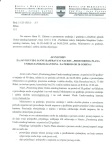
Obavijest o provedbi Javne rasprave na Nacrt „Prostornog plana Unsko-sanskog kantona za period od 20 godina“
-
JAVNI POZIV ZA JAVNI UVID I JAVNU RASPRAVU O NACRTU „PROSTORNOG PLANA UNSKO-SANSKOG KANTONA ZA PERIOD OD 20 GODINA“